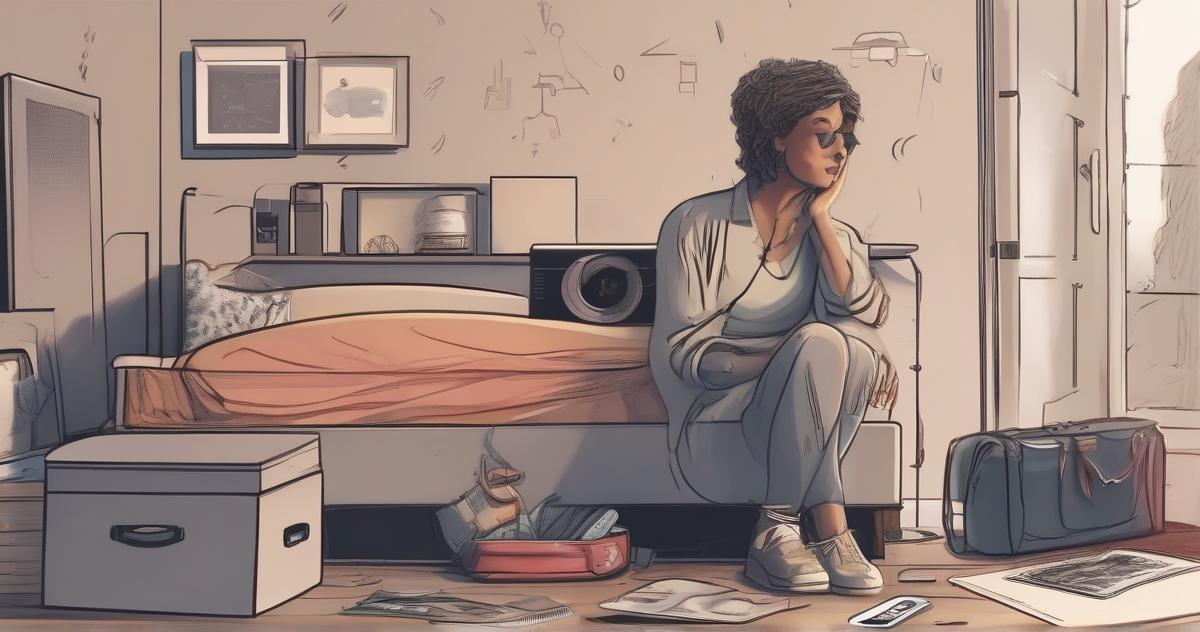
If you had walked into my apartment two years ago, you would have seen a perfectly normal space. Maybe a little cluttered, but nothing alarming. I had books on shelves, clothes in the closet, and gadgets in the drawers. It was the standard accumulation of a decade of adult life.
But then, one rainy Tuesday, I decided I’d had enough. I wasn't moving. I wasn't forced into it by a breakup or a job loss. I just looked around and felt heavy. The walls felt like they were closing in, not because the rooms were small, but because the stuff was suffocating me.
So, I set a seemingly arbitrary but terrifying goal: I was going to get rid of half my belongings. Here is exactly what happened when I finally took the plunge.
The Breaking Point
It started with a simple task. I was looking for a specific charger cable. I knew I had it; I just didn't know where. I spent forty-five minutes tearing through a "junk drawer," a closet floor, and a box labeled "miscellaneous."
I sat on the floor, surrounded by cables I didn't recognize, adapters for electronics I no longer owned, and manuals for things I had stopped using years ago. In my experience, this is how it starts for most people. It isn't a sudden epiphany; it's a slow, grinding realization that you are working for your things rather than your things working for you.
I felt a rising panic. Why did I need three identical pairs of black jeans? Why was I holding onto a coffee maker I hadn't plugged in since 2015? I realized that my possessions were acting as mental clutter. Every item was a tiny, nagging obligation in the back of my mind.
The Brutal Process of Letting Go
I didn't overthink the method. I didn't read every book on minimalism (though I’m sure they’re great). I just grabbed garbage bags and boxes. I made four piles: Keep, Donate, Sell, and Trash.
The first few hours were easy. Broken clothes, expired pantry items, and useless papers went straight into the trash. But then I hit the "just in case" items. This is where the battle really happens.
I found a fancy dress I wore once five years ago. My brain said, "What if you get invited to a gala?" I had to argue with myself. "If I get invited to a gala," I replied, "I will buy a dress that fits me now and makes me feel amazing."
In my experience, the hardest things to get rid of are the things that represent a fantasy version of yourself. The guitar you never learned to play represents "Cool Musician You." The craft supplies represent "DIY Artisan You." Letting go of them feels like admitting defeat, but I've found that it’s actually liberating. It allows you to be the person you actually are, right now.
The Surprising Emotional Aftermath
After the donation truck left, I sat on my couch. The room looked huge. The air felt lighter. But, honestly, I also felt a wave of nausea. I looked at the empty spaces on the bookshelf and the bare floorboards, and my heart rate spiked.
Did I make a mistake? Was I going to need that extra blender?
That feeling lasted about two days. But once the panic subsided, something else took its place: clarity. Without the visual noise of my possessions, my brain felt quieter. It sounds woo-woo, but there is a direct correlation between visual clutter and mental load.
Interestingly, clearing my physical space gave me a strange boost in self-assurance. Making the hard decision to let go of things I once thought were "valuable" gave me a sense of agency. It reminded me that I am in control of my environment, and by extension, my life. If you are struggling with feeling stuck, sometimes making a bold change in your surroundings is the catalyst you need. It’s a strange side effect, but I found myself needing to project confidence less because I actually started feeling it from the inside out.
Breaking the Cycle of Consumption
Once you see how much stuff you wasted money on, you become a much smarter shopper. I realized I had bought things to fill a void, to fix a bad day, or just because they were on sale. Now, when I look at something in a store, I picture the space it would take up in my home. I calculate the "mental cost" of owning it.
This shift has been incredibly positive for my bank account. I’m no longer tempted by fast fashion or cheap gadgets. I’d rather own one high-quality item than ten mediocre ones.
This journey naturally aligned with a desire to be kinder to the planet, too. When you stop buying disposable junk, you stop contributing to the waste cycle. I started looking for more permanent solutions for my daily life. If you are looking to curb your spending and your waste output, I highly recommend checking out sustainable swaps that actually save you money in the long run. It turns out that minimalism and sustainability are best friends.
A Newfound Love for Daily Routines
The most unexpected benefit of decluttering was how much easier my daily chores became. It sounds silly, but doing dishes or folding laundry is almost pleasant when you aren't moving piles of clutter out of the way first.
My kitchen, in particular, transformed. I used to have drawers so full of utensils I couldn't open them without things falling out. Now, I have exactly what I need. Clearing off the counters inspired me to actually use the space. I went from ordering takeout because I dreaded navigating my messy kitchen to actually enjoying cooking again.
With a streamlined kitchen, getting dinner on the table went from a stressful chore to a relaxing end to the day. I even had the mental bandwidth to try new things. I’ve been relying on a list of healthy dinner recipes to keep things interesting without requiring a pantry full of obscure ingredients.
It’s Not About the Number
Getting rid of half my belongings wasn't about reaching a specific number of items or living like a monk. It was about removing the friction between me and the life I wanted to live.
Do I still buy things? Sure. But now, every new item has to "pass the test." It has to be useful, beautiful, or bring me joy. And, crucially, something else has to go if it comes in. The "one in, one out" rule is the only thing keeping me from sliding back into old habits.
If you’re standing on the edge of this decision, wondering if you should take the leap, my advice is to start small. Start with one drawer. But be warned: once you feel the lightness of an uncluttered space, you might not want to stop.

Leave a Comment
Comments (0)
No comments yet. Be the first to share your thoughts!