Why I Started Swapping for Sustainability
Let’s be honest for a second. When I first heard the term "sustainable living," my wallet immediately panicked. I assumed that going green meant buying expensive bamboo everything and shopping at high-end organic markets. I thought it was a luxury for people who had more disposable income than I did. But over the last few years, I’ve realized I had it completely backward.
In my experience, living sustainably isn't about buying a bunch of new eco-stuff; it's about buying less and using what you have more wisely. It’s about rejecting the "disposable culture" that quietly drains our bank accounts. Once I started paying attention, I realized I was throwing money away every single day on things I used once and then tossed.
If you’re looking to pad your savings account while treating the planet a little better, you’re in the right place. I've compiled ten easy swaps that have actually saved me money, and none of them require you to be a zero-waste perfectionist.
Transforming Your Kitchen Habits
The kitchen is usually the biggest source of waste in a home, but it’s also where you can save the most cash. I used to spend a small fortune on Ziploc bags, plastic wrap, and paper towels. It felt like I was constantly running to the store to restock.
Here are the first four swaps I made that had an immediate impact:
- 1. Reusable Food Containers: Instead of constantly buying plastic sandwich bags, I switched to glass or silicone containers. I bought a set of sturdy glass Pyrex containers two years ago, and I haven't bought a box of baggies since. The food stays fresher, and I can just pop them in the microwave.
- 2. Beeswax Wraps: These were a game-changer for covering bowls or wrapping half-cut lemons. They are washable and reusable for months. I make mine from old fabric scraps, but even buying them pays for itself quickly when you stop buying cling film.
- 3. Microfiber Cloths vs. Paper Towels: This was a tough habit to break because paper towels are so convenient. But once I switched to a basket of microfiber cloths under the sink, I never looked back. I just rinse them, wash them with the laundry, and reuse them. I’ve saved literally hundreds of dollars on paper products alone.
- 4. Buy in Bulk: I've found that buying dry goods like rice, pasta, and oats from bulk bins isn't just cheaper; it drastically reduces packaging waste. Plus, it stops me from over-buying. I only take exactly what I need.
Ditching the Disposable Drink Habit
If you are like I was, you probably start your day with a coffee from a cafe and grab a bottle of water when you're out running errands. It feels like a small expense at the moment—maybe five dollars here, two dollars there—but let’s do the math. That’s easily over $150 a month just on hydration and caffeine.
Making the shift to reusables was non-negotiable for my budget.
- 5. A High-Quality Water Bottle: I invested in a good insulated bottle. It keeps my water ice cold all day, which means I actually drink it. Tap water is essentially free, and stopping the daily purchase of plastic bottles is a massive win for your wallet.
- 6. A Reusable Coffee Cup: Many coffee shops actually offer a discount if you bring your own cup! It’s usually 10 to 50 cents off, but over time, that adds up. Better yet, brewing my morning coffee at home in a nice French press saves me about $4 a day.
Upgrading Your Personal Care Routine
The bathroom is another place where we pay a premium for packaging. Tiny, travel-sized bottles and disposable razors are marketed as convenient, but they are incredibly expensive per use. Switching to more durable options has felt like a bit of a self-care upgrade, actually.
Here are a few swaps that made the cut:
- 7. Safety Razors: I used to buy those multi-blade cartridge refills that cost a fortune and are wrapped in impossible-to-open plastic clamshells. Switching to a double-edged safety razor was intimidating at first, but I've found that the shave is actually closer and smoother. The blades cost pennies compared to cartridges, and the metal razor lasts a lifetime.
- 8. Bar Shampoo and Conditioner: This is a swap I was skeptical about. I didn't think a bar could clean my hair as well as a bottle of liquid stuff. I was wrong. Not only do bar shampoos last longer than bottles (you aren't paying for water weight), but they eliminate the need for plastic bottles entirely.
Mindful Consumption in Your Workspace
Sustainability extends into how we work and manage our productivity, too. When I set up my work area, I realized I was wasting a lot of paper printing notes that I could have just written down, and I was leaving electronics plugged in, sucking up "vampire power."
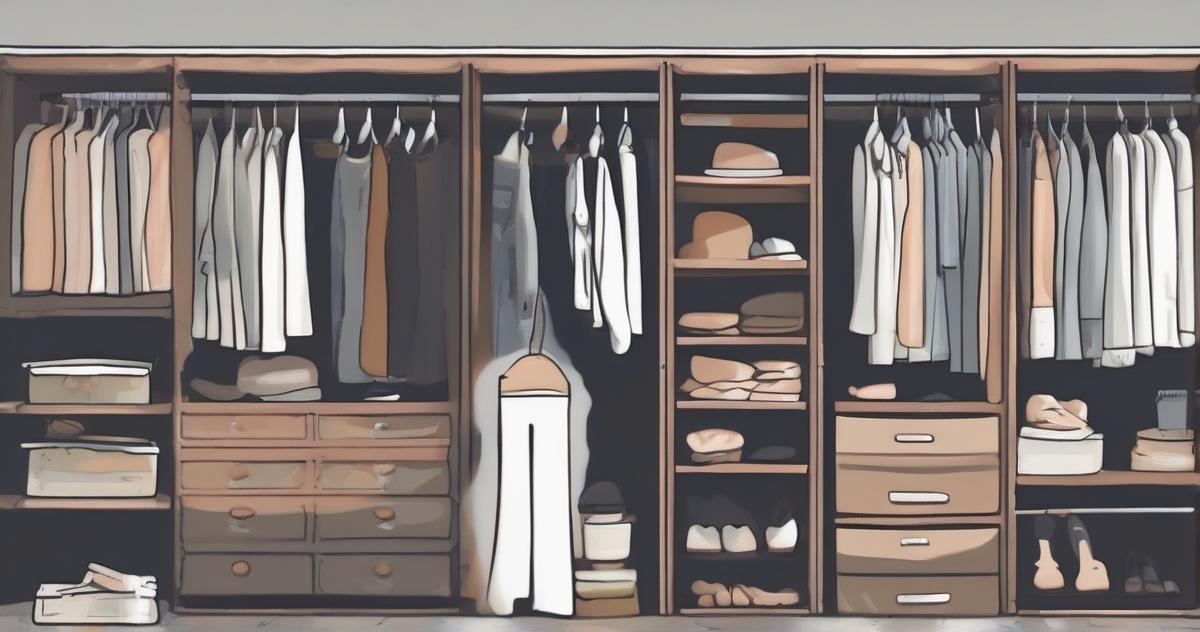
Getting your workspace in order can help you focus better, which leads to better work and less stress. In fact, designing the perfect home office space for maximum focus often involves decluttering and creating a space that uses resources efficiently. I use a smart power strip to cut power to my monitor and speakers when I turn my computer off, and I've committed to using recycled notebooks for all my brainstorming.
9. Smart Power Strips and Digital Notes: By eliminating phantom power drain and reducing paper usage, my home office is now greener and cheaper to run.
Finding Joy in Simplicity
The last swap isn't a physical product; it's a mindset shift. The most sustainable product is the one you don't buy. We often shop to fill a void or cure boredom. I’ve found that shifting my focus from "getting new things" to "enjoying experiences" has been the biggest money saver of all.
Sometimes, this means getting introspective. I started tracking my spending habits, and honestly, can journaling really change your life? A 30-day experiment showed me that I was spending money on things I didn't need just to impress people I didn't even like. Writing it down held me accountable.
Other times, it means finding ways to treat yourself that don't involve a shopping cart. I used to think a treat meant buying a new outfit or gadget. Now, I look for ways to relax without consumption. This could be a long walk, a library book, or even scheduling time just for yourself. If you need some inspiration on how to enjoy your own company without spending, check out 15 romantic solo date ideas to reconnect with yourself. It’s amazing how much money you save when you realize you don't need to buy things to feel good.
10. The "Buy Nothing" Challenge: Try going a week or a month without buying anything new. Borrow, mend, or go without. It resets your relationship with consumption.
Small Steps, Big Impact
You don’t have to overhaul your entire life overnight to make a difference. Start with one or two of these swaps—maybe the safety razor and the water bottle—and see how it feels. I've found that these changes aren't just about saving a few dollars here and there; they are about taking control of my impact and my finances. Once you see the savings add up, you’ll be looking for the next sustainable swap before you know it.

Leave a Comment
Comments (0)
No comments yet. Be the first to share your thoughts!