There was a time, not too long ago, when I honestly believed that my worth was directly tied to how tired I was at the end of the day. You know the feeling, right? It’s that specific kind of depleted where your eyes are burning, your back aches, and you realize you haven’t drank water in six hours, but hey—you answered fifty emails and crossed three things off your to-do list. I used to wear that exhaustion like a badge of honor. If I wasn't hustling, I felt guilty. If I sat down to watch a movie on a Tuesday night, a little voice in the back of my head would whisper, "You should be doing something more productive right now."
But here is the thing about hustle culture: it sells us a lie. It tells us that if we just grind a little harder, sleep a little less, and optimize every single second of our existence, we’ll finally reach that promised land of success and happiness. In my experience, though, all that usually leads to is burnout, cynicism, and a distinct lack of joy in the work we’re supposedly so passionate about. It took me a while to realize it, but rest isn't the enemy of productivity; it’s actually the fuel for it.
The Illusion of Constant Motion
We’ve all seen the memes. "Rise and grind." "While you’re sleeping, I’m grinding." It’s pervasive. It turns our lives into a frantic race where the finish line keeps moving. For years, I bought into this narrative. I thought that if I wasn't constantly moving, creating, or achieving, I was falling behind.
This creates a dangerous cycle of "performative busyness." We start doing things just to look like we’re working, rather than doing work that actually matters. We fill our schedules with meetings that could have been emails and tasks that don't actually move the needle. I’ve found that this constant motion is often just a distraction. It keeps us from having to face the hard questions about what we really want out of life, because we’re too busy rushing to the next thing to stop and look around.
My Wake-Up Call
The turning point for me came about three years ago. I was working on a project I loved, but I had pushed myself into a corner. I was waking up at 4:00 AM, working through lunch, and answering Slacks from my pillow at 11:00 PM. I thought I was being a superhero. Instead, I became a shell of myself.
One afternoon, I sat down to write a simple email, and I just stared at the screen. My mind was completely blank. I couldn't string two sentences together. The panic set in immediately. I tried to force it, caffeine-fueled and jittery, but nothing happened. I had hit a wall so hard that it shook me. My body had literally gone on strike against my brain. That was the moment I realized that the "hustle" wasn't just unsustainable; it was actively destroying my ability to do good work.
Why Rest is a Biological Necessity
We often treat rest like a reward—something you earn only after you’ve completed a mountain of work. But biologically, that’s backward. Rest is a requirement. It’s not a luxury item for the elite; it’s a basic need for human functioning.
When we sleep, our brains clean out toxins. When we daydream or take a walk, our brains enter a "diffuse mode" of thinking. This is where the magic happens. This is where your subconscious connects dots that your conscious mind couldn't see. In my experience, my best ideas never come when I’m staring at a spreadsheet. They come when I’m in the shower, or chopping vegetables, or staring out the window of a train. By denying ourselves rest, we are shutting down our most creative and problem-solving capabilities.
This doesn't just mean sleep, either. It means disconnecting. It means putting the phone away and letting your mind wander. You have to give your brain permission to be "boring" for a while so it can recharge.
Redefining Productivity: Quality Over Quantity
Once I started taking rest seriously, my output didn't drop—it skyrocketed. It sounds counterintuitive, but by working fewer hours, I got better results. This is the shift from "being busy" to "being productive."
Real productivity isn't about filling eight hours; it's about the energy you bring to those hours. If I work for four hours with total focus and then take the afternoon off to reset, I will produce better work than if I slog for twelve hours with a foggy brain. This shift in perspective allows you to prioritize what actually matters.
It also spills over into other areas of life. When you aren't rushing, you make better choices. You stop buying into fast trends because you don't have the energy to keep up, and you start investing in things that last. It’s similar to how I approach my closet now; in my experience, slowing down has made me realize I don't need the newest "thing" to be happy. This mindset shift is exactly why I eventually embraced minimalism, leading me to stop following trends and start investing in basics. Quality always wins over quantity, whether that's your work hours or your wardrobe.
Protecting Your Peace and Your Plate
Another dirty secret of hustle culture is that it makes your health the lowest priority. We rely on takeout, skip workouts, and fuel ourselves with caffeine and sugar just to keep the engine running. But you cannot drive a car with a flat tire and no gas. Eventually, you stop moving.
Part of resting is taking care of your vessel. This means cooking a real meal, even if it feels like "wasting time." I used to think eating well required a huge budget or hours of prep, but I've learned that's just an excuse to keep working. There are ways to nourish yourself without breaking the bank or spending all evening in the kitchen. If you’re struggling to balance health and a busy schedule, I highly recommend checking out The Ultimate Guide to Eating Well on a Shoestring Budget. It’s a reminder that self-care doesn't have to be expensive; it just has to happen.
The Art of the True Break
So, what does a "productive rest" actually look like? It doesn't mean scrolling through social media for three hours. That isn't rest; that's just numbing. True rest requires engagement with the real world.
For me, true rest often involves a change of scenery. It’s hard to relax in the same spot where you’ve been stressing out all day. Sometimes, you need to physically remove yourself from your environment to reset your brain. This doesn't always mean an expensive tropical vacation (though that sounds nice). Sometimes it just means a weekend trip, or even exploring a new neighborhood in your own city.
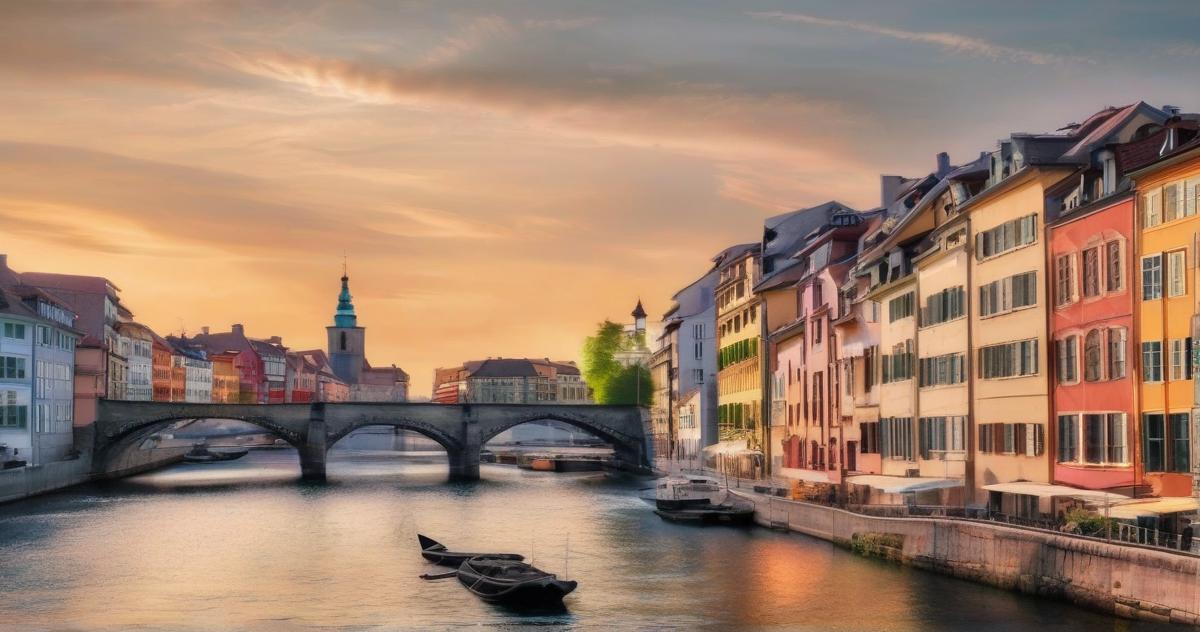
Stepping away from the grind gives you perspective. It reminds you that the world is big and your current deadlines are small. I’ve found that planning a getaway, even a small one, gives me something to look forward to that isn't work-related. If you need some inspiration for a change of pace, I recently put together a list of 7 underrated European cities you need to visit this summer. Just looking at the photos reminds me that there is a life out there beyond my laptop screen.
Embracing the Slow Life
Unlearning hustle culture is hard. It takes time. You will still feel that pang of guilt on a Sunday afternoon. You will still worry that you aren't doing "enough." But I’ve found that the more I practice rest, the quieter those voices get.
We need to stop glorifying the grind and start celebrating balance. We need to normalize saying "I'm tired, so I'm stopping." We need to value our health and our sanity over our email response times. Rest is productive. It is where ideas are born, where energy is restored, and where we remember that we are human beings, not human doings.
So, go ahead. Close the laptop. Go for a walk. Take a nap. The work will be there tomorrow, but you need to be there too, fully recharged and ready to show up as your best self.
Leave a Comment
Comments (1)
Cool story bro.